
Made my connection
Forty minutes, two terminals, gate closing. I rode the whole way and boarded last but boarded. It has paid for itself once already.
Marcus T., Frankfurt
Verified buyer
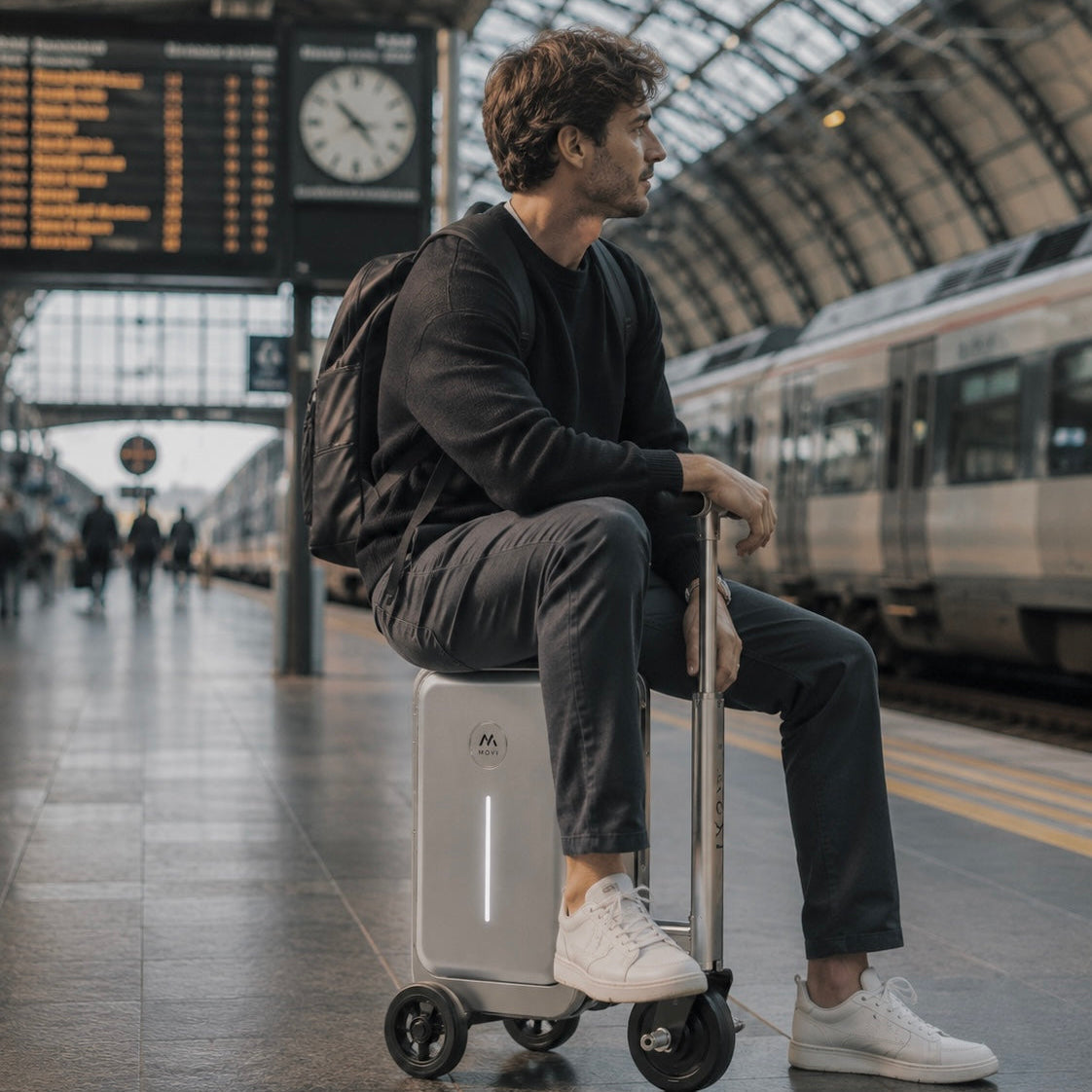
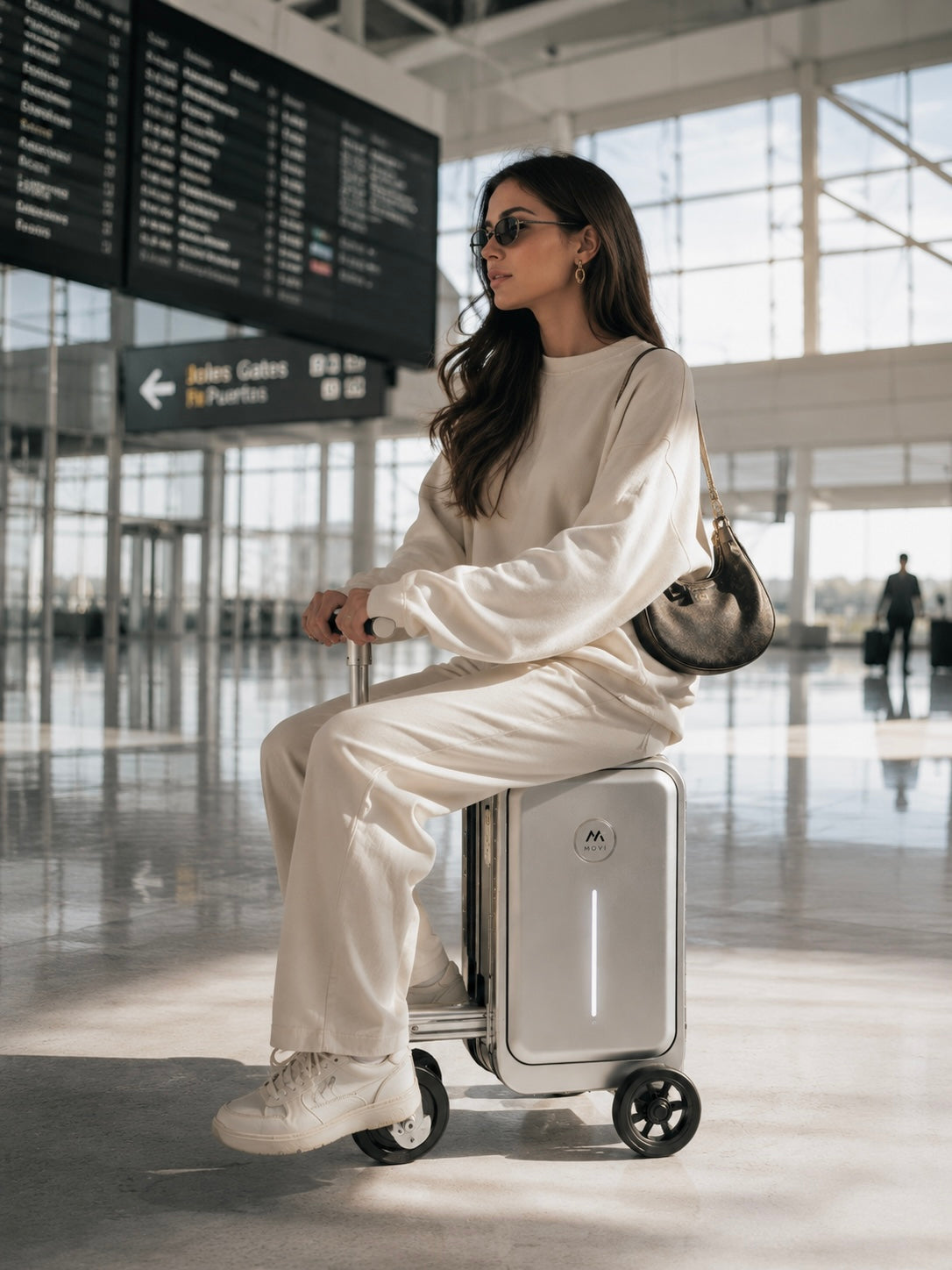

Before you fly
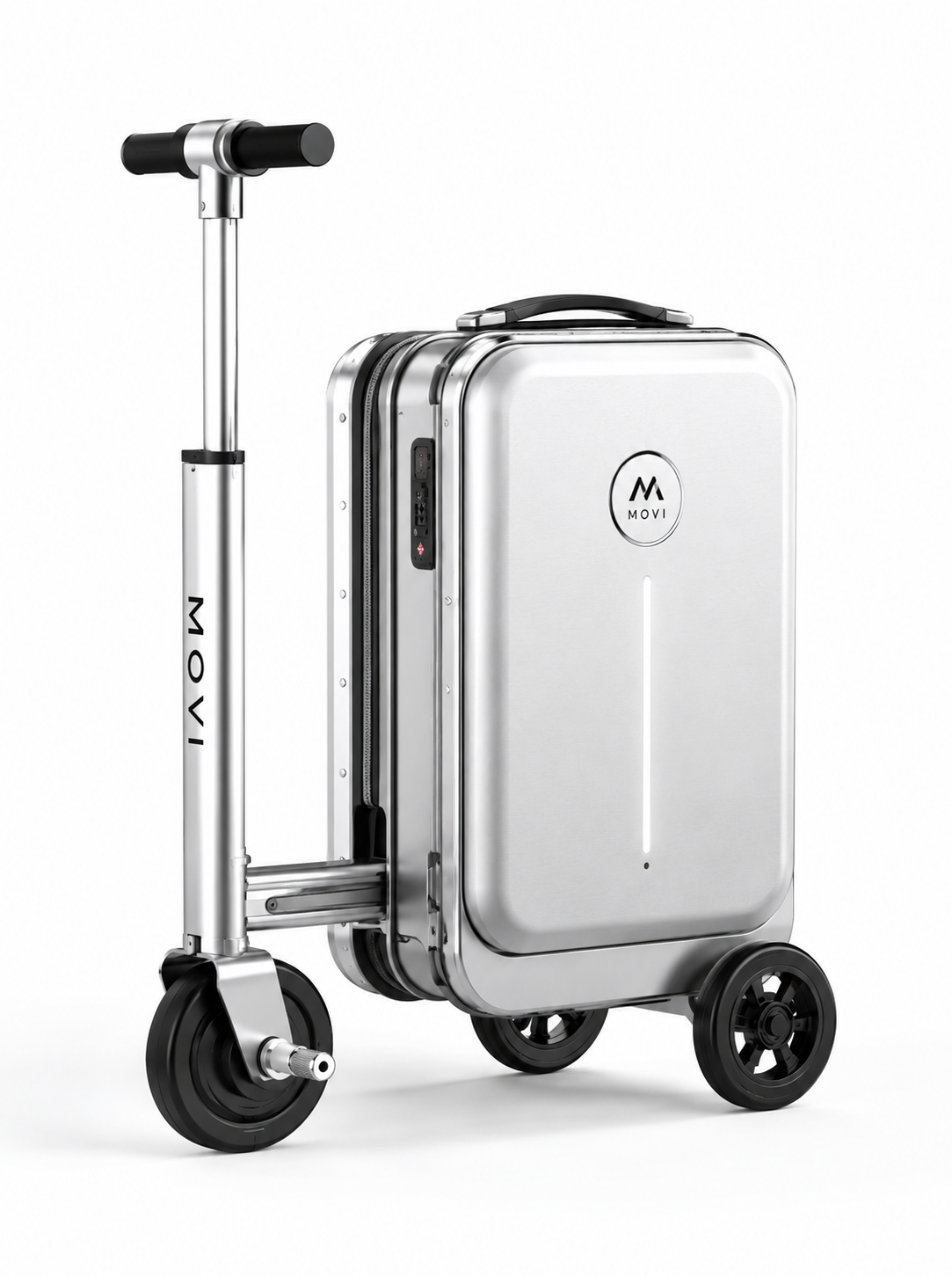
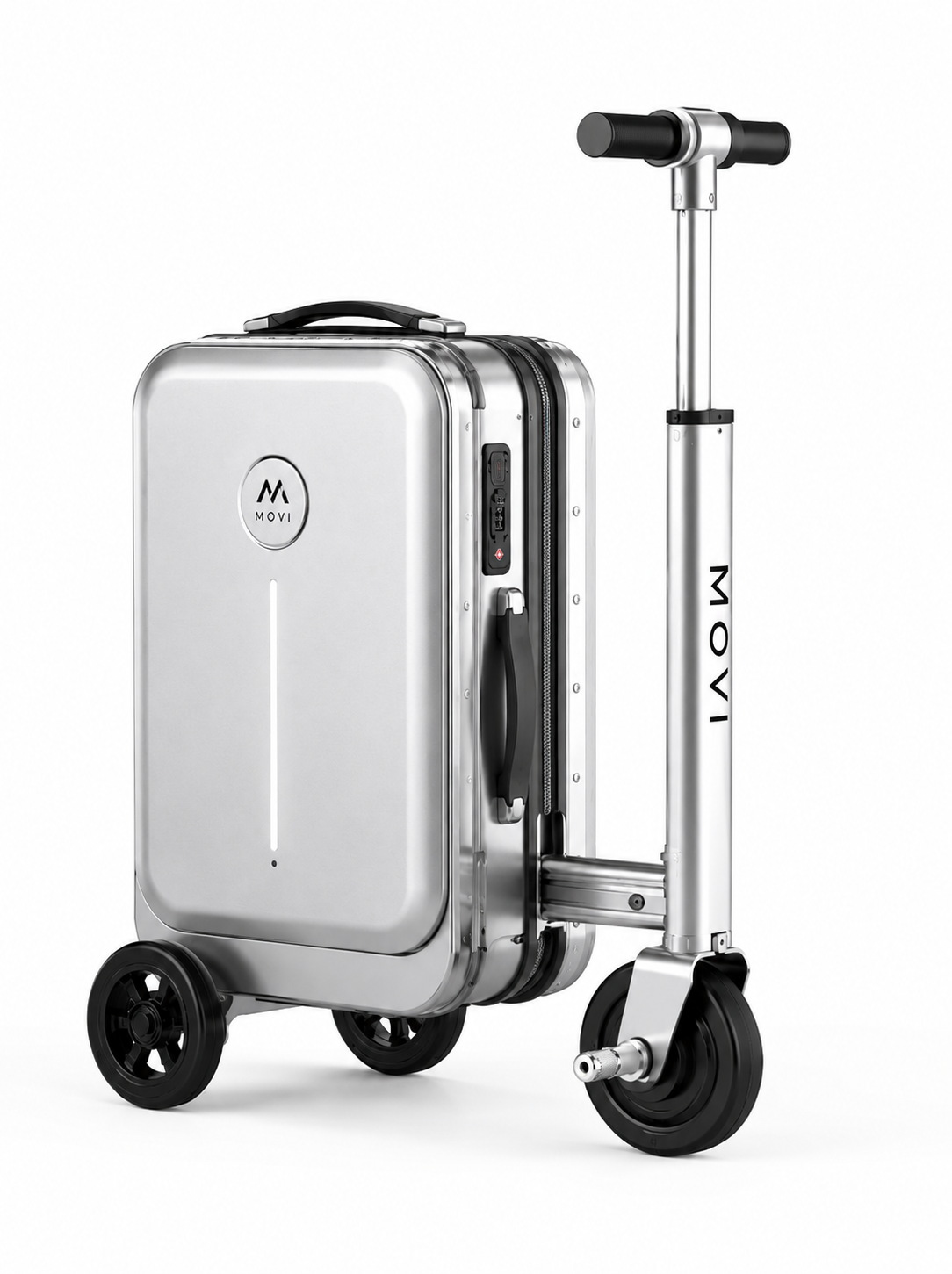
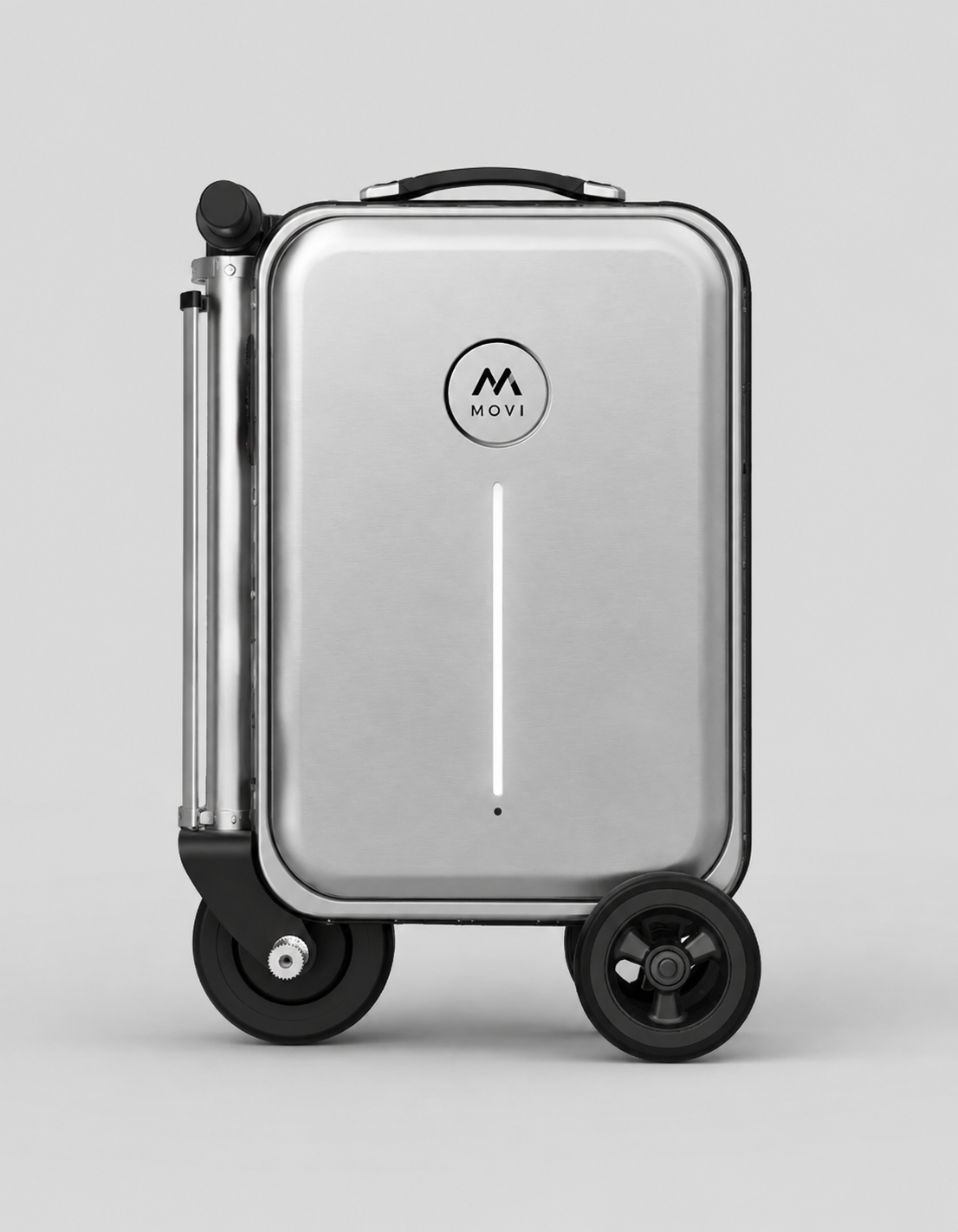
The battery pops out in three seconds and travels in the cabin with you. Check your airline below.
Nearly every airline allows a case like this. The rule is almost always the same: the battery comes out and flies in the cabin.
Policies change. Check with your airline before you travel — this is a guide, not a guarantee.
Measured, not claimed
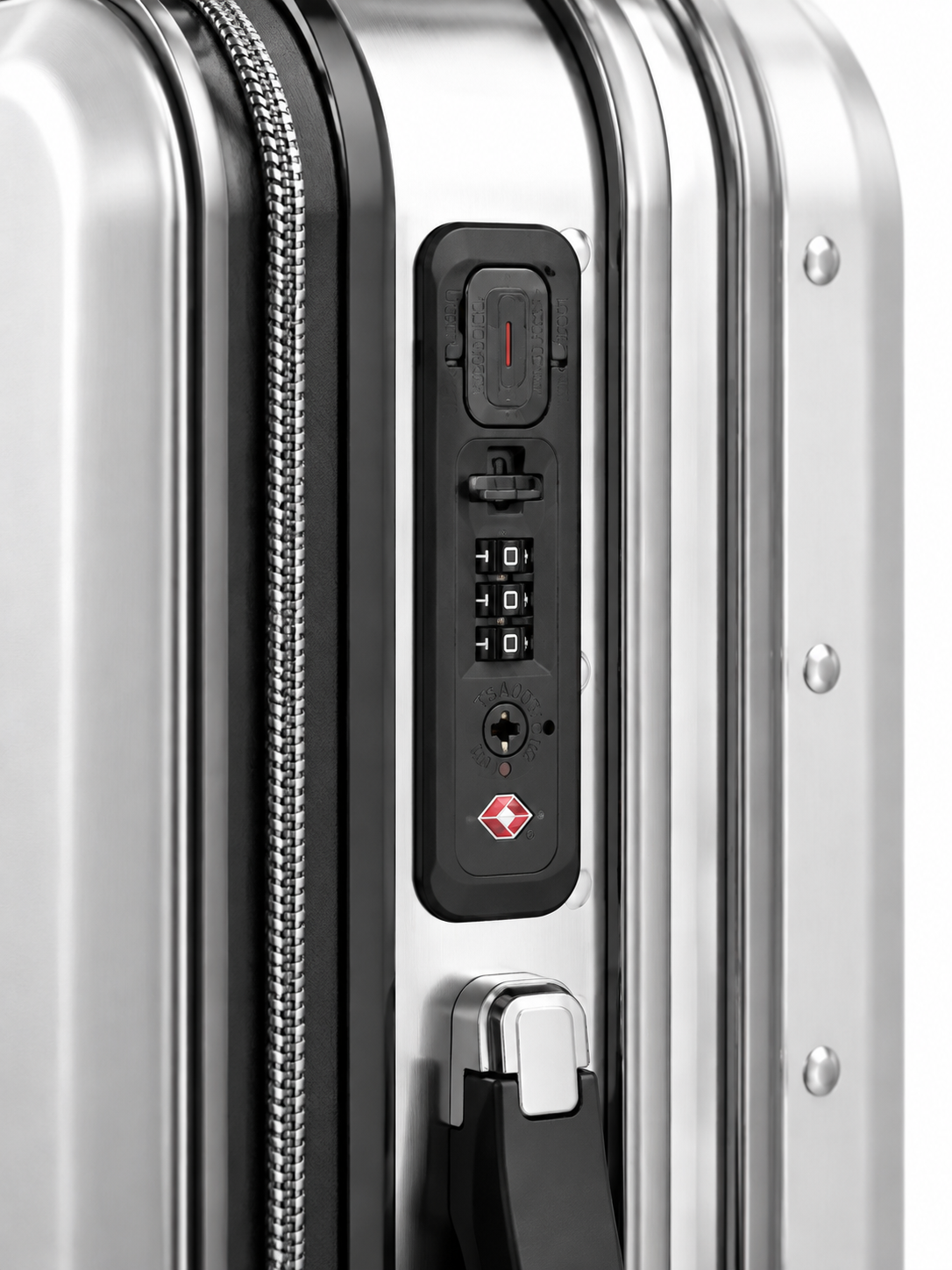
In detail
Select a point on the case.

Specification
Forty minutes, two terminals, gate closing. I rode the whole way and boarded last but boarded. It has paid for itself once already.

Bought it for work trips, now it is the family airport vehicle. Genuinely holds two of us at walking pace.

Six flights, six different aircraft, straight into the overhead every time. That was the bit I doubted most.

Budget an extra ten minutes per terminal for strangers asking what it is. Worth it.
Before you buy
Anything else — real people answer, usually within the hour.
Yes. The battery is 92.5Wh, under the 100Wh cabin limit that airlines set for lithium packs, so it needs no approval. It lifts out in about three seconds and travels in your hand luggage. The case itself is a standard 20-inch cabin bag.
About 10 km at a steady 13 km/h with a 75 kg rider — several airports’ worth. It charges from flat in roughly three hours, and the pack also runs a 45W USB-C port for your phone.
Airports, stations and campuses generally treat it as mobility equipment rather than a scooter, but rules vary by terminal and by country. It walks like a normal case the moment you stand up, so you are never stuck.
365 days on every part including the battery. Wheels, footrests, handle and the pack itself are all user-replaceable, and we stock them for five years.
20 litres — four days of clothes, a 16-inch laptop in the padded sleeve, and the charger. The motor and battery sit under the floor, so you lose less space than you would expect.